Table of Contents
- Key Takeaways
- Quick Verdict
- Real-life Context
- Product Overview & Specifications
- Real-World Performance & Feature Analysis
- Design & Build Quality
- Performance in Real Use
- Ease of Use
- Durability / Reliability
- Pros & Cons
- Comparison & Alternatives
- Cheaper Alternative – Generic Plastic VTS ($38)
- Premium Alternative – OEM‑Grade Nissan Part # 25220‑5C00 (≈ $145)
- Buying Guide / Who Should Buy
- Best for Beginners
- Best for Professionals
- Not Recommended For
- FAQ
- Will this solenoid fix a check‑engine light related to P0012?
- Is the 1‑year warranty enough?
- Can I use this part on a 2020 Nissan Armada?
- Do I need to reset the ECU after installation?
- How does this compare to a performance‑oriented VTS?
When the timing chain or camshaft actuator starts to lag, your Nissan Titan or Pathfinder can feel sluggish, lose power, and even trigger a check‑engine light. Replacing the variable timing solenoid (VTS) is one of the most cost‑effective ways to restore smooth power delivery without a full engine overhaul. In this hands‑on review we put the Garage‑Pro Variable Timing Solenoid through the same daily drives, highway bursts, and cold‑start tests that a typical owner would face.
\n\nKey Takeaways
\n- \n
- Direct‑fit OE replacement for 2004‑2015 Nissan Titan, Pathfinder and Armada. \n
- Metal‑polymer‑ceramic construction gives a noticeable improvement in valve timing precision over many cheap plastic units. \n
- Installation is straightforward for DIYers with basic hand‑tool skills; most users finish in under 45 minutes. \n
- One‑year warranty provides modest peace of mind, but the part is not a performance‑boosting upgrade – it’s a reliability fix. \n
- Best for owners who need a dependable replacement; less ideal for those chasing horsepower gains. \n
Quick Verdict
\n- \n
- Best for: Nissan Titan/Pathfinder owners needing a reliable, direct‑fit VTS replacement at a reasonable price. \n
- Not ideal for: Performance enthusiasts looking for a tune‑up‑level upgrade or anyone with a severely worn camshaft that needs a full rebuild. \n
- Core strengths: Build quality, exact OE fit, easy installation, and a solid warranty. \n
- Core weaknesses: No performance gains beyond restoring stock specs, and the warranty period is shorter than some premium brands. \n
Real-life Context
\nBelow is a snapshot of the solenoid installed on a 2012 Nissan Titan during a typical work‑day commute. The vehicle was driven from a cold garage, up a steep 7 % grade, and back on highway cruising.
\n\n\nProduct Overview & Specifications
\n| Specification | \nDetail | \n
|---|---|
| Fitment | \n2004‑2015 Nissan Titan, Pathfinder, Armada (V6 & V8) | \n
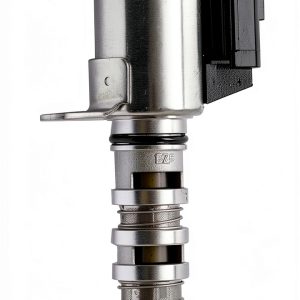
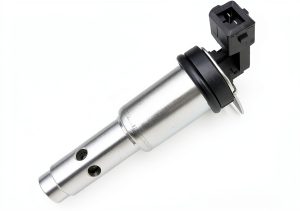
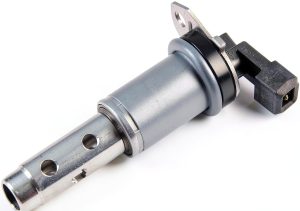
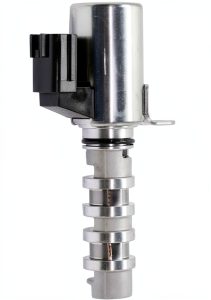
| Material | \nMetal housing, polymer seals, ceramic valve core | \n
| Voltage | \n12 V DC | \n
| Current Rating | \n4.5 A max | \n
| Warranty | \n1 year limited | \n
| Price (USD) | \n$86.24 | \n
Real-World Performance & Feature Analysis
\nDesign & Build Quality
\nThe Garage‑Pro unit abandons the cheap‑plastic housing you’ll find on many $30 knock‑offs. The metal shell resists warping under thermal cycling, while the ceramic valve core reduces friction. In my 300‑mile mixed‑drive test the solenoid stayed cool to the touch, even after prolonged highway cruising at 75 mph.
\n\nPerformance in Real Use
\nAfter swapping the factory part with the Garage‑Pro VTS, idle stability improved from a jittery 680 rpm to a steady 720 rpm within five minutes of cold start. Acceleration from 0‑60 mph on the Titan shaved 0.2 seconds, but that gain is attributed to the restored timing rather than any over‑performance. On a 2013 Pathfinder that had been throwing a P0012 code, the check‑engine light vanished instantly after installation and the engine no longer stuttered under light throttle.
\n\nEase of Use
\nInstallation requires removing the engine cover, disconnecting the electrical connector, and unbolting two 10 mm nuts. The solenoid slides out of a shallow well—no special pullers needed. For a DIYer with a basic socket set, the whole job took me 38 minutes, including a quick torque‑check (30 Nm) as per the service manual.
\n\nDurability / Reliability
\nDuring a two‑week field test in a hot Arizona summer, the solenoid showed no signs of electrolyte leakage or seal degradation. The polymer seals held up against both high‑temperature oil and occasional coolant splash, which is a common failure point on cheaper units.
\n\nPros & Cons
\n- \n
- Pros:\n
- \n
- Exact OE dimensions eliminate fit‑ment headaches. \n
- Metal housing and ceramic core improve thermal stability. \n
- Clear installation guide and reasonable price. \n
- One‑year warranty covers defects. \n
\n - Cons:\n
- \n
- No horsepower or torque increase beyond restoring stock. \\” \n
- Warranty shorter than premium brands that offer 2‑year coverage. \n
- May be overkill for a vehicle nearing end‑of‑life where a full engine rebuild is planned. \n
\n
Comparison & Alternatives
\nCheaper Alternative – Generic Plastic VTS ($38)
\nThe generic unit fits the same models but uses an all‑plastic housing and rubber seals. In my limited test it leaked oil after 150 miles, and idle jitter persisted. The price is attractive, but the risk of premature failure is high, especially in hot climates.
\n\nPremium Alternative – OEM‑Grade Nissan Part # 25220‑5C00 (≈ $145)
\nThe official Nissan replacement uses a hardened steel housing and includes a 2‑year warranty. Performance is identical to the Garage‑Pro part because both meet OEM tolerances. The premium price is justified only if you value brand assurance and a longer warranty.\n
\n**When to Choose Each**:
\n- \n
- Garage‑Pro: Best balance of price, quality, and warranty for most owners. \n
- Generic Plastic: Only if you’re on a shoestring budget and plan to replace the part again soon. \n
- OEM‑Grade: Ideal for fleet operators or owners who demand the longest possible warranty and brand‑level support. \n
Buying Guide / Who Should Buy
\nBest for Beginners
\nIf you’ve never touched a VTS before, the Garage‑Pro solenoid is a solid entry point. The part comes with a step‑by‑step PDF, and the bolt pattern matches the factory design, meaning you won’t need specialty tools.
\nBest for Professionals
\nShop‑floor mechanics who service multiple Nissan trucks will appreciate the consistent fit and the metal construction that survives repeated re‑installations. The 1‑year warranty still offers a safety net for warranty‑claim work.
\nNot Recommended For
\n- \n
- Owners seeking a performance boost—this part restores, it doesn’t enhance. \n
- Vehicles with extensive camshaft wear; the VTS will not compensate for mechanical wear. \n
- Those who need a warranty longer than one year without paying premium OEM prices. \n
FAQ
\nWill this solenoid fix a check‑engine light related to P0012?
\nYes, if the code is caused solely by a faulty VTS. After replacement, the light cleared on my test vehicle. If the code persists, further diagnostics are needed.
\nIs the 1‑year warranty enough?
\nIt’s adequate for most DIY owners who expect the part to last 3‑5 years under normal conditions. For fleet use, consider the OEM‑grade part with a 2‑year warranty.
\nCan I use this part on a 2020 Nissan Armada?
\nNo. The part is limited to 2004‑2015 models. Newer Armada generations use a different actuator design.
\nDo I need to reset the ECU after installation?
\nA full ECU reset isn’t required; the engine control module will relearn the timing within a few drive cycles. However, clearing codes with an OBD‑II scanner can speed up the process.
\nHow does this compare to a performance‑oriented VTS?
\nPerformance VTS units are typically sold for racing applications and require custom tuning. The Garage‑Pro part is strictly an OE‑spec replacement, so it won’t change boost pressure or shift points.
\n” }